Newsprint: A Bold Vintage Serif Font for Timeless Design
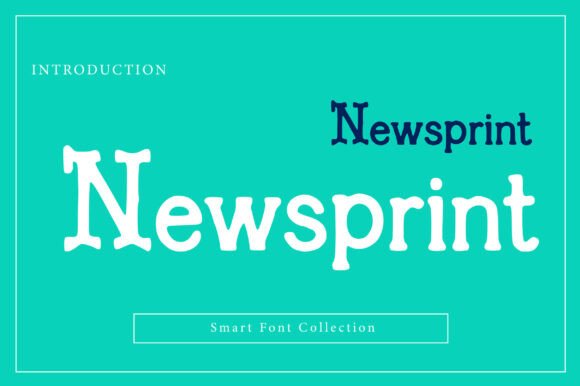
Newsprint is a bold and character-rich vintage serif display font inspired by classic newspaper headlines and old-style print typography. Designed to capture the charm of old newspapers and vintage publishing, this typeface delivers an authentic retro press vintage print vibe—perfect for designs that need a timeless and bold statement.
With its strong letterforms, slightly rough personality, and traditional editorial feel, Newsprint works beautifully for headlines, editorial layouts, posters, branding, book covers, vintage packaging, labels, logo typography, and retro-inspired graphic design. Its bold structure and classic serif styling make it highly readable while giving your text a unique nostalgic tone.
Understanding the Appeal of Newsprint
In today's digital-first world, there's a growing appreciation for vintage aesthetics. Many designers and brands are looking to evoke nostalgia through their visual identity, and fonts play a crucial role in achieving that effect. Newsprint taps into this trend by offering a font that feels like it belongs on the pages of a 1950s newspaper or a hand-printed magazine.
The font's slightly rough texture and exaggerated serifs give it a tactile quality that digital fonts often lack. This makes it ideal for projects that aim to create a sense of authenticity or historical depth. Whether you're designing a vintage headline, a retro brand logo, or a poster with an old-school feel, Newsprint can help you achieve the desired look with ease.
Challenges and Goals in Typography Design
Designers often face challenges when trying to balance readability with style. A font that looks too stylized may be difficult to read, especially in smaller sizes, while a font that's too plain might fail to make an impression. Newsprint addresses this by combining boldness with clarity, making it suitable for both large and small applications where legibility is key.
Another common challenge is finding a font that aligns with a specific theme or era. For instance, if you're creating a brand identity that evokes the golden age of journalism or the art deco movement, you need a font that doesn't just look good but also feels right. Newsprint helps meet this need by offering a visual language that speaks directly to those themes.
Additionally, many designers struggle with ensuring consistency across different media. Whether you're printing a physical poster or displaying content online, the font needs to maintain its integrity across various formats. Newsprint performs well in both digital and print environments, ensuring that your message remains clear and impactful no matter where it appears.
Practical Applications of Newsprint
Newsprint is incredibly versatile and can be used in a wide range of design contexts. Here are some practical applications where this font shines:
- Headlines and Titles: The bold and commanding nature of Newsprint makes it perfect for grabbing attention in headlines, whether for a blog post, magazine article, or promotional material.
- Brand Logos: If you're launching a new brand or rebranding an existing one, Newsprint can add a touch of authenticity and tradition to your logo design.
- Poster Design: Retro posters often use typographic elements to convey a sense of timelessness. Newsprint brings that same feeling to modern poster designs.
- Vintage Packaging: From wine labels to product boxes, Newsprint can help create packaging that feels like it was crafted decades ago.
- Book Covers: For literature or non-fiction books that aim to evoke a certain era, Newsprint can enhance the visual appeal and thematic consistency of the cover design.
These applications show how Newsprint can be used to solve real-world design problems while adding value to the final product.
How Different Users Can Approach Newsprint
Depending on your design goals, you might approach Newsprint differently. For example, a graphic designer working on a vintage-themed poster might pair Newsprint with distressed textures and sepia tones to reinforce the retro feel. On the other hand, a web developer using Newsprint for a website headline might choose a cleaner layout to ensure the font remains legible on screen.
Similarly, a brand designer looking to create a logo might experiment with different weights and spacing options within Newsprint to find the right balance between boldness and elegance. Exploring these variations can lead to more creative and effective outcomes.
It's also important to consider the context in which Newsprint will be used. While it excels in large sizes, such as headlines or banners, it may not be the best choice for body text due to its high contrast and strong character shapes. Always test the font in different sizes and settings before finalizing your design.
Considerations for Using Newsprint
While Newsprint offers many benefits, there are a few considerations to keep in mind. First, because of its vintage aesthetic, it may not be suitable for all types of projects. It works best for designs that intentionally aim to evoke a retro or traditional feel.
Second, the font’s boldness means it can dominate a page if not used carefully. To avoid overwhelming the viewer, pair it with simpler sans-serif fonts for supporting text or use it sparingly to highlight key elements.
Finally, ensure that the font is licensed appropriately for your intended use. If you're using Newsprint for commercial projects, check the licensing terms to confirm that you have the right to use it in your designs.
By keeping these considerations in mind, you can make the most of Newsprint while ensuring that your design remains both visually appealing and functionally sound.
Conclusion
Newsprint is more than just a font—it's a tool that can help bring history, character, and authenticity to your design work. Whether you're aiming to create a vintage headline, a retro brand logo, or a poster with an old-school feel, Newsprint offers a unique solution that stands out from the crowd.
Its bold structure, classic serif styling, and nostalgic tone make it a valuable addition to any designer's toolkit. By understanding how to use it effectively and considering its strengths and limitations, you can unlock new creative possibilities and elevate your design projects to the next level.